

Health & Nutrition Blog
Science-backed insights to help you eat better and live longer.

Eating for a Stronger Heart: What the Evidence Actually Shows
Fiber, potassium, and unsaturated fat do more for your arteries than any single superfood. Here is how the research lines up.

Blood Sugar, Steady: Building Meals That Blunt the Spike
Pairing carbohydrates with protein, fat, and fiber changes how quickly glucose rises. Here is the practical version of that idea.

The Gut-Immunity Connection: Feeding Your Defenses
Most of your immune system sits along the intestinal wall. What you feed the bacteria there shapes how well that wall works.

Bone Health After 40: The Nutrients That Matter Most
Calcium gets the headlines, but vitamin D, protein, and resistance training decide whether that calcium reaches your skeleton.

Turmeric, Garlic, and Berries: Separating Hype from Evidence
These foods are genuinely interesting in the lab. Here is what human trials support, and what the supplement aisle overstates.

Six Habits That Make Healthy Eating Actually Stick
Motivation fades. Environment, repetition, and a smaller scope are what keep a good eating pattern going past week three.

Salt, Pressure, and Your Arteries: A Practical Guide
Most of the sodium in the American diet is not from the salt shaker. Finding the hidden sources is where blood pressure improves.

Protein at Every Decade: How Much You Need and Why
Protein needs rise with age while appetite tends to fall. Here is a straightforward way to hit the target across a day.
Sleep and Appetite: Why a Bad Night Makes You Hungry
Short sleep shifts the hormones that regulate hunger and makes high-calorie food more tempting. The fix starts at bedtime, not the fridge.

Leafy Greens and Eye Health: Lutein, Zeaxanthin, and Macular Protection
Two pigments concentrate in the retina and appear to slow age-related damage. Dark greens are the most efficient way to get them.
Fish, Omega-3s, and Brain Aging
Oily fish appears to slow cognitive decline more reliably than fish oil capsules. Frequency is the variable that counts.

Legumes: The Cheapest Protein Your Doctor Wishes You Ate
Beans and lentils lower LDL cholesterol, steady blood sugar, and cost less than almost any other protein source.

Reading a Nutrition Label in 60 Seconds
Four lines on the label tell you most of what matters. Here is what to check and what to ignore.
Fiber, Constipation, and Digestive Comfort
More fiber is not always better if you add it too fast or without water. How to increase intake without the discomfort.
Coffee and Tea: Benefits, Limits, and What to Skip
Both drinks are associated with lower risk of several chronic diseases. The benefit disappears in what you add to them.
A Grocery List for a Disease-Prevention Week
One cart that covers heart, metabolic, bone, and gut health without a specialty store run or a new supplement.
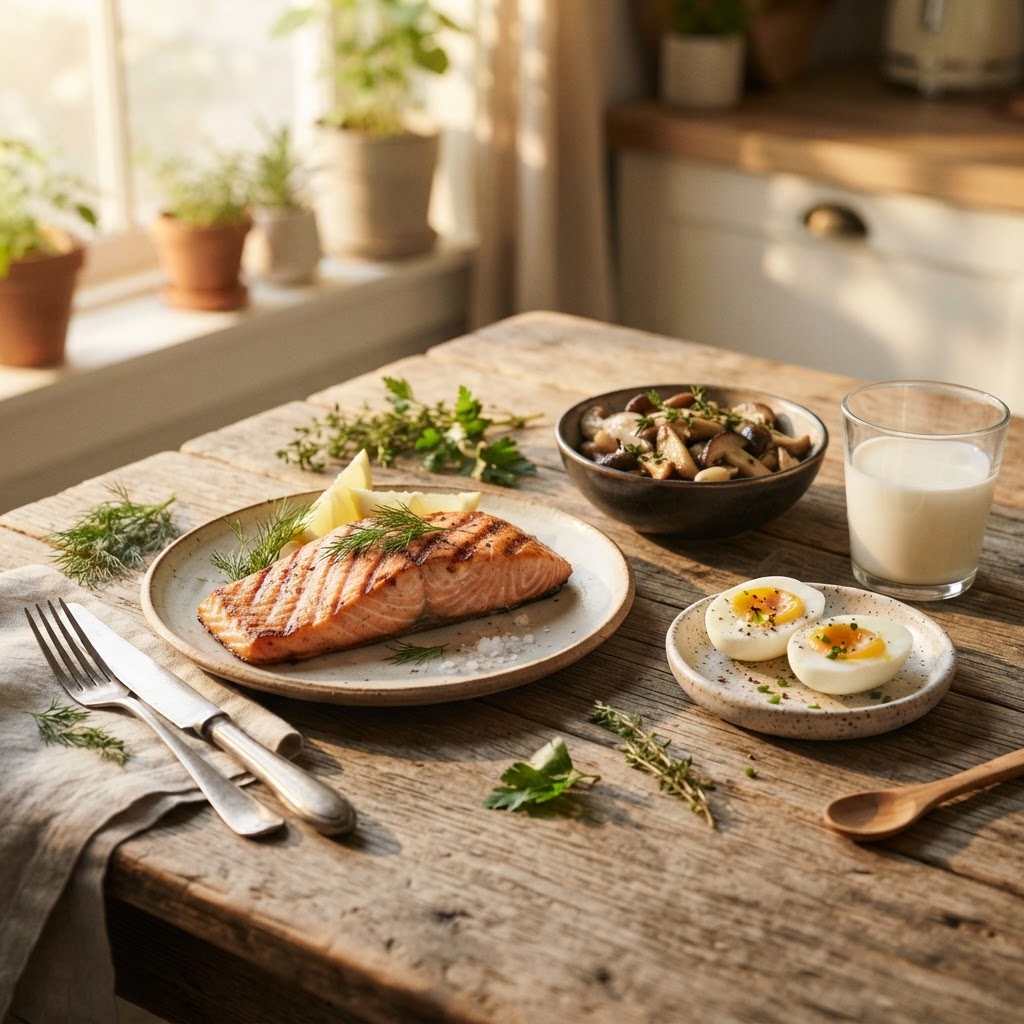
Vitamin D: The Nutrient Most People Are Short On
Sun exposure, latitude, and skin tone make intake unpredictable. Testing beats guessing, and the dose is a medical decision.
Whole Grains vs. Refined: What Actually Changes
Milling removes the bran and germ, and with them most of the fiber, minerals, and beneficial fats. What that costs you.
Nuts and Seeds: Small Portions, Large Effect
An ounce a day is associated with lower cardiovascular and all-cause mortality. The catch is portion size, not the nuts.

Alcohol and Cancer Risk: What the Evidence Says Now
Alcohol is classified as a Group 1 carcinogen. The risk is dose-dependent, which means reducing intake genuinely reduces it.
Spot something we can improve? Use the — we read every note.
⚠️ Always consult your doctor before trying a new diet